
Chaos in the Commute: The Taipei Metro Attack and the Critical Need for Community Training
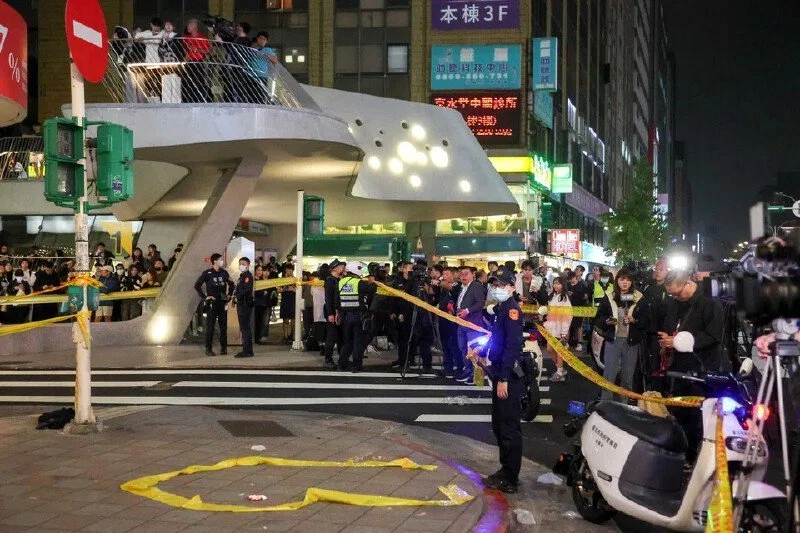
On Friday, December 19, 2025, the evening rush hour in Taipei was shattered by a multi-site violent assault that exposed the unique vulnerabilities of high-density transit hubs. The suspect, 27-year-old Chang Wen, initiated the attack at Taipei Main Station by detonating five to six gasoline bombs and smoke grenades, creating a thick shroud of smoke and immediate panic among commuters. Armed with a knife, the attacker inflicted stab wounds and blunt force trauma on victims before moving underground toward Zhongshan Station and a nearby shopping district. By the time the confrontation ended with the suspect’s death following a fall from a multi-story building, four people were dead, and 11 others were hospitalized.
The Failure of Uncoordinated Response
The incident highlighted a dangerous gap in rapid coordination within complex urban environments. Despite a known police presence in the city, the suspect was able to move between major stations largely unhindered, deploying additional smoke bombs and attacking commuters both inside and en route to the shopping center. This mobility, combined with a lack of visible deterrents or immediate guard intervention at the initial site, allowed a localized threat to escalate into a citywide crisis. The rush-hour timing amplified the terror, leading to reports of disorganized fleeing and even cardiac arrests among bystanders due to the overwhelming chaos.
The Risks of Untrained Intervention
In the heat of the assault, the vulnerability of unprepared civilians became tragically clear. One victim attempted to stop the attacker but, lacking formal training in crisis intervention, was fatally struck. While such acts of bravery are profound, they underscore a core CitySafe principle: without structured preparedness, individual attempts to intervene can significantly increase the risk to life. Data suggests that the majority of civilians in these scenarios experience hesitation and disorganized responses due to a lack of clear protocols. Conversely, studies indicate that structured response drills and preparedness can improve survival rates by 30% to 40% in mass-casualty scenarios.
Strengthening Urban Resilience
The Taipei attack serves as a wake-up call for transit authorities and the public alike to move beyond passive security. CitySafe advocates for a proactive safety framework that includes expanded intelligence capabilities and enhanced detection of incendiary devices at crowded entry points. Furthermore, the rapid escalation seen here proves that rapid-response units must be trained specifically for multi-site, "lone-wolf" scenarios where a suspect uses the transit network to evade containment. By combining better intelligence monitoring with community training campaigns on effective responses, cities can transform their transit hubs from vulnerable choke points into resilient environments where every individual knows how to act when the unthinkable occurs.
Sources:
- ABC News. (2025, December 20). Taipei metro stabbing attack leaves at least three people dead.
- Reuters. (2025, December 20). Taipei attacker acted alone, police say, after four die.
- BBC. (2025, December 19). Knife attacker kills three after smoke bombing Taiwan metro.
