
The Bondi Beach Tragedy: Analyzing the Gap Between Crisis and Response in Australia’s Worst Mass Shooting in Decades
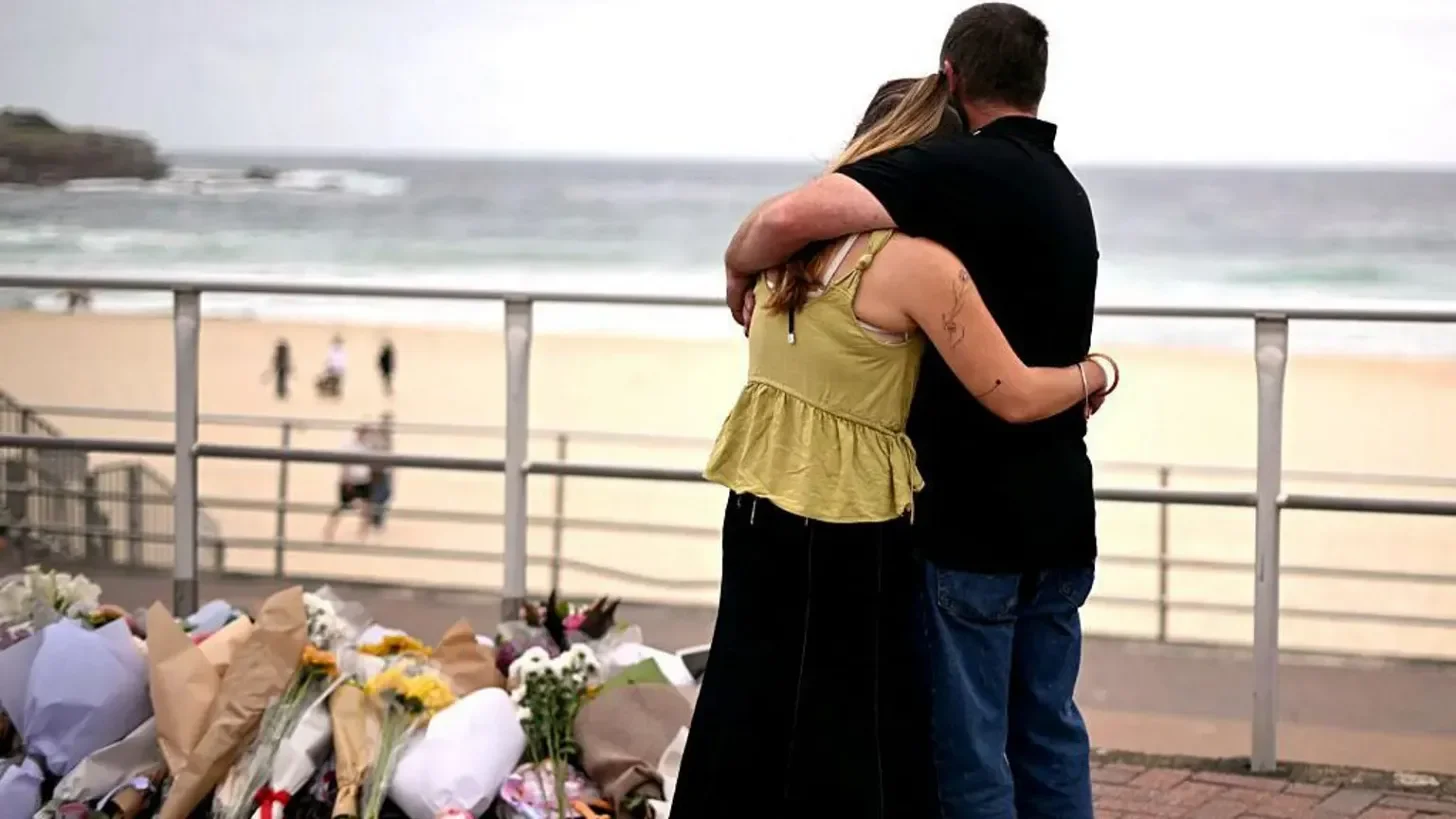
On December 15, 2025, Sydney witnessed Australia's worst mass shooting in nearly 30 years, an event that left 15 people dead and dozens injured during the first night of Hanukkah festivities at Bondi Beach. The gunmen, identified as a father and son, targeted a crowded public gathering of Jewish Australians, highlighting a terrifying vulnerability in open urban spaces. While Australia is globally recognized for its strict firearm regulations, this tragedy serves as a grim reminder that laws alone cannot fully immunize a community against violence; illegal arms and high-risk individuals remain persistent threats. In the wake of such an event, the focus often shifts to policy and law enforcement. Still, the immediate reality on the ground during those first few minutes tells a different story about survival.
The Challenge of Public Panic
During the attack, the open environment of the Bondi promenade and the presence of families with children created significant challenges for those trying to find safety. Reports indicated that many people experienced "crowd shock," leading to mass panic and disorganized flight rather than coordinated protective actions. This reaction is common in complex scenarios where the public struggles to recognize the source of the threat or distinguish safe zones from unsafe ones, often prolonging their exposure to danger. It is within these chaotic moments, the critical "gap" before first responders arrive, that individual readiness becomes the most decisive factor in saving lives.
The Science of Survival
CitySafe’s mission is built upon the data-driven reality that most people freeze during a crisis without specific training. Research shows that only 10% to 25% of people take effective action immediately when an emergency occurs, while the majority experience a life-threatening hesitation or paralysis. However, when civilians are equipped with practical skills, the mortality rate in mass casualty events can drop significantly. This was seen firsthand in Sydney when a local shop owner was hailed as a hero for his brave intervention to disarm one of the attackers. His actions align with findings from the U.S. Department of Homeland Security, which indicate that civilian intervention can improve survival rates in active shooter scenarios by 20% to 25%.
Closing the Gap Through Preparation
To bridge the gap between panic and professional help, CitySafe advocates for a proactive approach to public safety that emphasizes preparation over reaction. This includes implementing pre-event protective briefings, establishing trained marshals to lead movement, and using clear, geotargeted communication to reduce confusion during a crisis. By investing in rapid response training and public awareness, communities can mitigate the hesitation that leads to casualties. Ultimately, the Sydney tragedy reinforces the idea that while we cannot always control when a crisis begins, we can control how prepared we are to respond, ensuring that resilience starts with the individual.
Sources:
- Reuters. (2025, December 15) Sydney mourns 15 killed in Australia's worst mass shooting in nearly 30 years.
- The Associated Press. (2025, December 15) Sydney mass shooting at Bondi Beach: What we know so far.